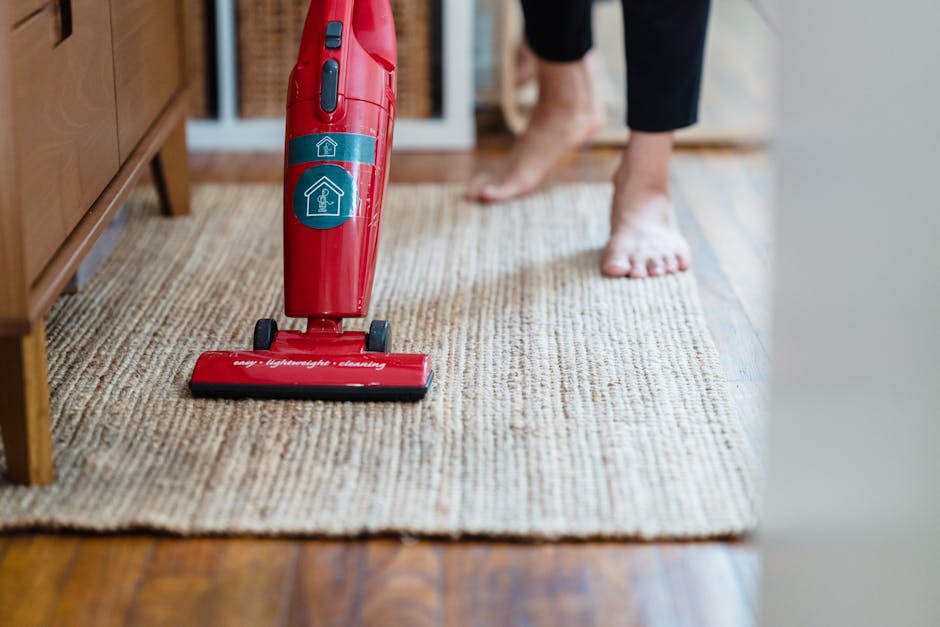
What to Know About Landlord Rules and Carpet Cleaning on Rentals
If you rent a home, carpet cleaning can become one of those small issues that somehow turns into a bigger conversation than expected. A landlord wants the place returned in good condition. A tenant wants to avoid unfair deductions. And somewhere in the middle sits the question of what is actually required for carpet cleaning on a rental property.
What to know about landlord rules and carpet cleaning on rentals is not just about scrubbing fibres and vacuuming corners. It is about understanding what counts as fair wear and tear, what is usually written into a tenancy agreement, and what a landlord can reasonably expect at the end of a tenancy. That matters whether you are moving out tomorrow, settling a dispute over a deposit, or simply trying to keep the relationship with your landlord straightforward.
This guide breaks it all down in plain English. You will find the practical rules, the common traps, how cleaning standards are normally judged, and how to handle carpet cleaning without wasting money or arguing over something avoidable. No drama. Just the useful bits.
Table of Contents
- Why landlord rules and carpet cleaning matter
- How carpet cleaning expectations usually work in rentals
- Key benefits and practical advantages
- Who this is for and when it makes sense
- Step-by-step guidance
- Expert tips for better results
- Common mistakes to avoid
- Tools, resources and recommendations
- Law, compliance, standards and best practice
- Options, methods and comparison table
- Case study or real-world example
- Practical checklist
- Conclusion
- Frequently asked questions
Why landlord rules and carpet cleaning on rentals Matters
Let's face it: carpets take a beating in rented homes. Shoes track in grit, pets leave fur behind, food gets dropped, and everyday life slowly dulls the fibres. A carpet can look fine to a tenant who has lived with it for years, yet still appear neglected to a landlord comparing it with the check-in inventory. That gap in perception is where most disagreements begin.
Landlord rules matter because they set the baseline for what is expected when you move in and move out. Carpet cleaning then becomes part of that bigger picture. If the tenancy agreement says the carpet must be professionally cleaned, or if the property was handed over professionally cleaned at the start, that detail can shape what is considered reasonable at the end. But even when the wording is less strict, the condition still matters.
The tricky part is that "clean" is not always the same thing as "acceptable for return." A carpet might be vacuumed and look tidy, yet still hold odours, marks, or embedded soil that show up during an inspection. That is why landlords and tenants often disagree, even when both think they are being fair.
In our experience, the best outcomes come from treating carpet care as a property-management issue, not just a cleaning task. It helps protect the deposit, keeps the property presentable for the next occupant, and reduces the chance of a last-minute row in the hallway when the keys are being handed over. Nobody wants that. Nobody.
How landlord rules and carpet cleaning on rentals Works
The basic process is simple, though the details vary from tenancy to tenancy. The landlord or letting agent usually records the condition of the carpet at the start of the tenancy, often in an inventory report with photos. At the end, they compare the current condition against that record. If there is more dirt, staining, wear, or damage than would normally be expected from everyday living, they may ask for cleaning or deduct costs from the deposit.
In practical terms, four things usually decide the outcome:
- The tenancy agreement wording - especially any clause about professional cleaning or returning the property in the same condition as at check-in.
- The move-in condition - if the carpet was already marked or worn, that matters.
- Normal wear and tear - carpets do not stay showroom fresh forever, and that is not a tenant failure.
- Evidence - photos, receipts, and inventory notes can make or break a dispute.
There is also a timing issue. Carpet cleaning is often best left until the property is otherwise empty. If furniture is still in place, some areas will get missed and the result can look patchy. For many tenants, this is where an end-of-tenancy clean becomes sensible, especially if the rest of the home needs attention too. A proper end-of-tenancy cleaning service can bring everything together more efficiently than handling each room separately.
To be fair, not every rental needs a deep restorative clean. Sometimes a careful vacuum, spot treatment, and a targeted wash are enough. Other times, especially after long occupancy, the carpet has absorbed years of traffic and needs more than a surface tidy. You can usually tell by the feel underfoot and that faint dusty smell that only shows up when sunlight hits the room at 4 pm. Very technical, that smell. Very convincing too.
Key Benefits and Practical Advantages
Getting carpet cleaning right in a rental is not just about avoiding a deduction. It also makes life easier in several very practical ways.
- Cleaner handover: a fresh carpet makes the property look cared for, even if the walls have seen a few years of life.
- Lower dispute risk: clear cleaning standards and evidence reduce arguments over what was left behind.
- Better deposit protection: landlords are less likely to raise concerns when the carpet condition matches the agreed standard.
- Improved hygiene: dust, allergens, and trapped grime are removed more effectively than with vacuuming alone.
- Better first impression for new tenants: a neutral, clean carpet makes the whole place feel more move-in ready.
There is also a small but real emotional benefit. When a tenant knows they have left the property in good shape, the move feels less messy. Moving is stressful enough without wondering if the estate agent will say the carpet looks "a little tired" and turn that into a deduction. The peace of mind is worth something.
If the property includes other soft furnishings, it can also make sense to clean them at the same time. For example, a one-off deep reset may include deep cleaning for the wider home, upholstery cleaning for sofas and chairs, or even rug cleaning if loose items need attention too. That is especially helpful when everything has collected the same household dust over the years.
Who This Is For and When It Makes Sense
This topic is relevant to more people than you might think. It is not just for tenants at the end of a lease. Landlords, letting agents, property managers, and even housemates in shared homes all need to know where the line sits.
Tenants moving out
If you are near the end of a tenancy, carpet cleaning is often part of your exit plan. It makes sense when the carpet shows visible wear, spills, pet hair, or general traffic marks. It also makes sense if your tenancy agreement specifically mentions cleaning expectations. In those cases, waiting until the final day can be a bit risky. If the carpet is left too late, there may not be time for it to dry properly before inspection.
Landlords and letting agents
Landlords need consistent standards, but they also need to be fair. If the carpet was already old or stained at move-in, expecting a brand-new finish at move-out is not realistic. A sensible rule is to compare like with like. The aim is usually to receive the property back in a condition that reflects ordinary use, not perfection.
New tenants
If you are moving into a rental and the carpet looks rough from day one, note it immediately. Take photos, record the condition, and keep the inventory report. That single step can save a lot of trouble later. Truth be told, most future disputes are easier to solve when the evidence was collected on day one rather than month twelve.
Shared homes and furnished lets
In shared houses, the challenge is often uneven wear. One room may be spotless while another has become the unofficial snack zone. In furnished rentals, the carpet may have to hold up against heavier use because the home already contains furniture, movement, and more foot traffic. That is where regular domestic cleaning habits, including vacuuming and spot treatment, pay off in the long run.
Step-by-Step Guidance
If you want to handle carpet cleaning properly, here is a practical way to approach it.
- Check the tenancy agreement first. Look for any cleaning clause, especially one that mentions professional cleaning, receipts, or returning the property in the same condition as at the start.
- Review the inventory and move-in photos. This is the benchmark. If the carpet was marked, faded, or already worn, make a note of it now.
- Vacuum thoroughly. Do this slowly and methodically, not just a quick pass down the centre. Edges, corners, and under radiators need attention too.
- Treat stains early. Fresh spills are usually easier to remove than old ones. Blot, do not rub, unless you enjoy making the stain larger and more confident.
- Decide on the level of clean needed. Light refresh, stain-focused clean, or full deep clean? The condition of the carpet should guide the method.
- Book cleaning at the right time. Ideally after most furniture has gone, but before final inspection. That gives the carpet time to dry and air out.
- Keep proof. Save receipts, service notes, and before-and-after photos. They are very handy if a deposit question pops up.
If you need a broader reset beyond the carpet alone, a carefully planned one-off cleaning visit can be useful before handover. It is especially practical for tenants leaving a property after a long stay, because the rooms, skirting, and hidden corners often need attention alongside the carpets.
One small but important detail: avoid cleaning so late that damp carpet becomes the final impression. A fresh-cleaned carpet can smell wonderfully clean, but only once it has dried properly. Otherwise you risk that unpleasant "wet wool" note that no one wants in a moving van situation.
Expert Tips for Better Results
A few practical habits make a surprisingly big difference.
- Match the method to the fibre: wool, synthetic, and blended carpets do not always respond the same way to heat or moisture.
- Test cleaning solutions first: especially on coloured carpets where bleaching or ring marks are possible.
- Lift furniture marks carefully: use gentle brushing or controlled moisture where appropriate, rather than over-wetting the pile.
- Focus on entry points: hallways, living room pathways, and the area by the sofa usually tell the real story.
- Do not disguise issues: covering stains with powder or fragrance can sometimes make things look better for a day and worse later. Landlords notice that sort of thing.
If the home has hard flooring in some areas and carpet in others, cleaning should feel joined-up rather than patchy. Properties often look much better when the transition between rooms is consistent, which is why services such as hard floor cleaning can complement carpet work well in mixed-floor homes.
Another sensible tip is to think like an inspector for a minute. Stand in the doorway and look at the room in daylight. Then crouch down and look across the carpet from the side. That low angle reveals flattened patches, shading, and leftover marks better than a straight-on glance. Slightly annoying, yes. Useful, absolutely.
Common Mistakes to Avoid
Most rental carpet problems come from a handful of avoidable errors. None of them are dramatic on their own, but together they create exactly the sort of hassle everyone wants to avoid.
- Assuming vacuuming is enough: for light use, maybe. For a full tenancy, often not.
- Ignoring the original condition: if the carpet was not pristine at move-in, do not let anyone rewrite history later.
- Leaving cleaning until the final hour: moisture, drying time, and access all become a problem.
- Using the wrong product: some household cleaners leave residue or damage pile structure.
- Forgetting to document: no photos, no receipts, no leverage. It is that simple.
- Cleaning only the obvious area: landlords often inspect edges, corners, and room entrances first.
Another classic mistake is spending too much on the wrong service. Not every carpet needs a heavy-duty restorative treatment, and not every tenancy dispute is solved by a pricier clean. Sometimes a focused stain removal and proper dry time are enough. Other times a full professional clean really is the right call. The trick is matching effort to actual need, not panic.
Tools, Resources and Recommendations
You do not need a van full of specialist equipment to keep rental carpets in good shape, but having the right tools helps. A solid vacuum with decent suction is the foundation. Add a carpet spot cleaner, microfibre cloths, a soft brush, and a few simple stain-safe products, and you can handle most everyday issues before they become awkward.
For larger properties, or for end-of-tenancy situations where the entire home needs a reset, professional help can save a lot of time. A properly managed carpet cleaning service is useful when stains have settled in, traffic lanes are visible, or the carpet needs a more even finish than DIY methods can offer. If the job is more than just carpets, a broader deep cleaning approach can be more efficient.
It can also be useful to look at the wider property condition. For example, if the place has been vacant for a while, has after-work dust, or needs extra attention around skirting and corners, after builders cleaning may be relevant in some move-in or move-out situations. That may sound unrelated at first, but rental properties often pick up all sorts of leftover mess from refurbishments, repairs, or rushed turnaround work.
When choosing a cleaner or cleaning plan, think about the following:
- whether the method suits the carpet type
- whether drying time fits the move-out schedule
- whether the service gives a clear record of what was done
- whether the provider is insured and communicates clearly about expectations
- whether the result is likely to satisfy a landlord or letting agent, not just look tidy in photos
If you want to compare options or get a clearer sense of cost, reviewing pricing and quotes is a sensible next step. And if you need to check service standards, business commitments, or policies that help build trust, the site's insurance and safety information, terms and conditions, and health and safety policy are useful reference points.
Law, Compliance, Standards, and Best Practice
Rental carpet cleaning sits at the intersection of contract, evidence, and common sense. There is not usually a single rule that says every carpet must be professionally cleaned in every tenancy. Instead, the tenancy agreement, inventory records, and the overall condition of the property normally shape the expectation.
In UK rental practice, the key principle is fairness. A tenant should not be charged for normal wear and tear. At the same time, avoidable dirt, strong odours, and stains may reasonably be dealt with as a tenant responsibility. That is why documentation matters so much. If the property was already tired when you moved in, the move-out standard should reflect that reality.
Best practice usually means:
- recording the carpet condition at move-in and move-out
- being clear about any special cleaning requirement in the tenancy agreement
- not expecting perfection where ordinary use has caused natural wear
- using a cleaning method suitable for the fibre and condition of the carpet
- keeping communication calm and factual if a dispute arises
There is also a trust point here. When a landlord gives clear instructions and a tenant follows them sensibly, the whole process becomes far easier. The cleaner the evidence, the less room there is for guesswork. That is the real compliance lesson, even if it sounds a little less glamorous than people hope.
Options, Methods, and Comparison Table
Choosing the right carpet cleaning method depends on the carpet's condition, the tenancy timeline, and the level of finish you need. Here is a simple comparison to help you decide.
| Method | Best for | Pros | Limitations |
|---|---|---|---|
| Regular vacuuming | Weekly upkeep and light surface dust | Quick, cheap, prevents grime build-up | Will not remove embedded dirt or old stains |
| Spot cleaning | Fresh spills and small marks | Fast, targeted, useful between full cleans | Can leave tide marks if rushed or over-wet |
| DIY deep clean | Moderately soiled carpets | Budget-friendly and flexible | Drying time, residue risk, and uneven results |
| Professional carpet cleaning | End of tenancy, heavy traffic, stubborn staining | More even finish, stronger extraction, better for handover | Costs more and must be timed properly |
For many renters, the best choice is a mix: maintain the carpet regularly, spot-clean promptly, and use a deeper clean before the final handover if the agreement or condition justifies it. Simple, really. The trouble is only when people wait until the end and hope the carpet has been quietly looking after itself.
Case Study or Real-World Example
Here is a realistic example. A tenant in a two-bedroom flat had lived there for three years. The carpet in the hallway had visible traffic wear, the living room had a coffee mark near the sofa, and the bedroom was mostly fine apart from a dusty edge under the bed. The tenancy agreement mentioned that the property should be returned in the same condition as at the start, allowing for fair wear and tear.
Instead of doing nothing and hoping for the best, the tenant reviewed the inventory, took new photos, and arranged a carpet clean two days before moving out. The cleaner focused on the traffic areas, the coffee stain, and the room edges. The tenant also vacuumed thoroughly after the furniture was removed so the finish looked consistent.
At check-out, the agent noted that the carpet was clean, presentable, and in line with expected wear for the tenancy length. No awkward back-and-forth. No last-minute panic. Just a tidy handover and, to be fair, a much calmer move for everyone involved.
That example sounds simple because it was simple. The win came from timing, evidence, and matching the clean to the actual condition of the property. Not from doing the fanciest thing possible.
Practical Checklist
Use this checklist before you hand back a rental property:
- Check the tenancy agreement for any carpet cleaning clause.
- Review the move-in inventory and photos.
- Vacuum all carpets carefully, including edges and corners.
- Spot-treat marks while they are still manageable.
- Decide whether a deep clean is needed for traffic areas or odours.
- Arrange cleaning with enough time for drying.
- Take before-and-after photos of every room.
- Keep receipts or service notes in a safe place.
- Compare the finished carpet condition with the original inventory.
- Leave the property fresh, dry, and inspection-ready.
If the property needs wider tidying beyond the carpet, it may also be worth thinking about related services such as window cleaning, oven cleaning, or even a broader home reset through domestic cleaning. Different properties need different levels of attention, and that is perfectly normal.
Conclusion
What to know about landlord rules and carpet cleaning on rentals comes down to a few grounded principles: read the tenancy agreement, understand what counts as fair wear and tear, document the condition properly, and clean in a way that matches the carpet's real condition. That approach protects both sides better than guesswork ever will.
For tenants, it reduces deposit stress. For landlords, it supports a smoother handover and a better-quality property for the next occupant. And for everyone involved, it means fewer awkward conversations over a carpet that should never have become the main event in the first place.
Take the time to do it properly, keep your evidence tidy, and leave room for the carpet to dry. Small thing, big difference.
Get a free quote today and see how much you can save.
Frequently Asked Questions
Do tenants have to professionally clean carpets at the end of a tenancy?
Not always. It depends on the tenancy agreement, the carpet's starting condition, and whether professional cleaning is specifically required. Sometimes a thorough DIY clean is enough, but if the carpet is heavily soiled or the agreement states professional cleaning, booking a proper service is usually the safer option.
Can a landlord charge for carpet cleaning even if the carpet is old?
They may only reasonably charge for cleaning if the carpet was left dirtier than expected, not simply because it is old. Age, wear, and original condition matter. An older carpet cannot be treated as if it were new, and fair wear and tear should be taken into account.
What counts as fair wear and tear on a rental carpet?
Fair wear and tear usually includes gradual flattening, light fading, and ordinary use over time. It does not normally include large stains, burns, strong odours, or damage that goes beyond normal household use. The tenancy length and number of occupants also matter.
Should I clean the carpet before or after removing furniture?
After removing furniture is usually better, because it allows a more complete clean and avoids missed areas. If you clean too early, the hidden parts under beds and sofas may still show dirt at inspection. Timing really does matter here.
How long before moving out should carpet cleaning be done?
Ideally, a few days before the final inspection so the carpet has enough time to dry and the property can air properly. Cleaning it on the final morning can be risky unless the drying time is short and the schedule is very tight.
What if the carpet was stained when I moved in?
That is exactly why move-in photos and inventory notes are so important. If a stain existed before your tenancy started, it should not be treated as your responsibility later. Keep that evidence in a safe place and refer back to it if needed.
Is vacuuming enough for end-of-tenancy carpet cleaning?
Sometimes for very lightly used carpets, but not in every case. End-of-tenancy cleaning usually needs more than vacuuming if there are marks, dust build-up, pet hair, or traffic lanes. A deeper clean is often more realistic.
Can I use a rented carpet cleaner machine myself?
Yes, if you know how to use it properly and the carpet material can handle the moisture. The main risks are over-wetting, leaving detergent residue, or creating drying problems. A test patch and careful instructions are important. No heroics, honestly.
Will a professional carpet clean guarantee my deposit is returned?
No service can guarantee that, because deposit decisions also depend on the rest of the property and the tenancy terms. But a professional clean can reduce the chance of carpet-related deductions if the carpet's condition was part of the issue.
What is the difference between carpet cleaning and deep cleaning?
Carpet cleaning focuses on the floor covering itself, while deep cleaning covers the property more broadly, including areas like skirting, fixtures, and hidden dirt zones. For end-of-tenancy handovers, the two often work well together.
What should I keep as proof after carpet cleaning?
Keep photos, receipts, and any service notes that show the date and type of clean. If there is a disagreement later, those records help show that you took the cleaning seriously and acted reasonably.
Where can I check service and policy information before booking?
It is sensible to review a provider's policy pages and service information first. On this site, useful starting points include about us, pricing and quotes, and contact us. That gives you a clearer feel for how they work and what to expect.
What if my landlord is being unreasonable about the carpet?
Stay calm, check the agreement, and compare the carpet condition against the move-in record. Most disputes improve once the conversation shifts from opinion to evidence. If the matter is still unresolved, the paperwork usually tells the real story.
Is it worth cleaning carpets in a property with hard floors elsewhere?
Yes, if the carpeted rooms show wear or are part of the handover condition. Mixed-floor properties often benefit from combining carpet work with hard floor cleaning so the whole home feels consistent rather than half-done.