Avoid common mistakes homeowners make before booking a cleaner
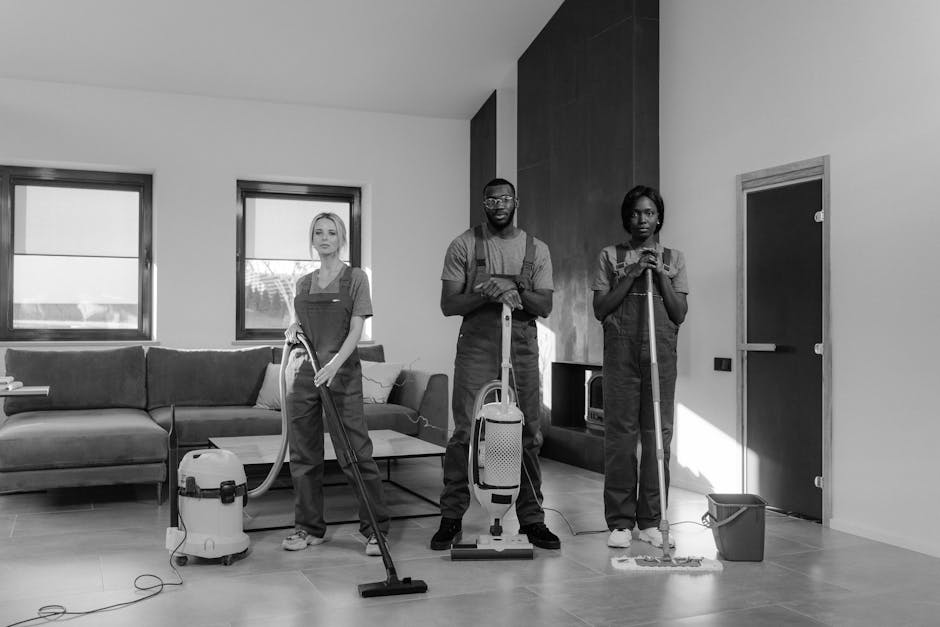
Booking a cleaner should make life easier, not more complicated. Yet plenty of homeowners rush the decision, skip the awkward-but-important questions, and then wonder why the result feels underwhelming or the bill creeps up. If you want a smoother experience, it helps to know the common mistakes homeowners make before booking a cleaner and how to sidestep them before anyone steps through the door.
This guide is written for real homes, real schedules, and real budgets. Whether you need a one-off refresh, routine help, or a deeper clean after a busy few months, the same basic principle applies: a few careful checks upfront can save a lot of fuss later. Let's face it, nobody enjoys chasing missed expectations after the hoovering has already started.
Along the way, we'll cover what to ask, what to compare, how to judge a quote properly, and how to make sure the clean is actually matched to the condition of your home. If you've ever thought, "It's just cleaning, how complicated can it be?"-well, more complicated than it first looks.
Why Avoid common mistakes homeowners make before booking a cleaner Matters
The booking stage is where most problems are either prevented or quietly created. If you choose the wrong service type, give vague instructions, or assume every cleaner works the same way, you may end up with a result that looks okay at a glance but misses the real issue. That could mean stubborn marks left behind, unrealistic timings, or added charges you did not expect.
Think about the difference between a quick tidy and a proper deep clean. On paper they may sound similar. In practice, they serve different purposes. A homeowner booking for the wrong level of clean may feel disappointed even if the cleaner did a perfectly decent job for the brief they were given. That mismatch happens a lot.
There is also a trust angle. You are letting someone into your home, often while you are juggling work, school runs, pets, or a slightly chaotic kitchen that seems to breed crumbs overnight. So the decision is not only about price. It is about clarity, communication, safety, and confidence. Those things matter, even if they are easy to overlook when you are just trying to get the job sorted quickly.
Practical takeaway: the better you prepare before booking, the more likely you are to get the result you wanted first time. Simple as that.
How Avoid common mistakes homeowners make before booking a cleaner Works
Most cleaner bookings follow a fairly straightforward pattern: you describe the property, explain the type of cleaning needed, receive a quote or estimate, agree a time, and then the work takes place. The part many homeowners miss is that each step relies on the information you provide. If your description is off, the estimate may be off too.
For example, a standard domestic cleaning visit usually focuses on routine upkeep. By contrast, a property that has been empty for a while, has heavy grime in the oven, or needs post-renovation attention may need something closer to one-off cleaning or even after builders cleaning. If you do not explain the real condition of the home, the booking can be built on guesswork.
In good practice, the process should include a few basics:
- a clear description of rooms, surfaces, and problem areas
- the likely level of cleaning required
- any access issues, pets, parking, or time limits
- transparent pricing and what is included
- confirmation of any special materials or delicate items
That is the backbone of a sensible booking. It sounds almost boring, but boring is good here. Boring means predictable. Predictable means fewer surprises on cleaning day.
Key Benefits and Practical Advantages
When you avoid the common mistakes, you get more than a cleaner home. You get a better process from start to finish.
- More accurate quotes: The provider can price the job properly instead of padding for uncertainty.
- Better results: The right service is matched to the actual job, whether that is a light refresh or a proper specialist clean.
- Less back-and-forth: Fewer clarification calls, fewer misunderstandings, fewer awkward "oh, I thought that was included" moments.
- Better time planning: You know what is happening, how long it might take, and what to prepare before the cleaner arrives.
- Greater peace of mind: Trust matters. A well-handled booking usually feels calm and professional from the first message.
There is a practical side too. If you prepare properly, you are less likely to pay for repeated visits or extra work that could have been bundled into the original booking. And in homes with mixed surfaces, fragile flooring, or soft furnishings, the right choice matters even more. For instance, a rug with a long pile and a well-used sofa do not need the same approach, which is why services like rug cleaning and upholstery cleaning are worth separating in your mind rather than treating as one generic job.
Who This Is For and When It Makes Sense
This advice is useful for almost any homeowner, but it is especially helpful if any of the following sound familiar:
- you have not booked a cleaner before and do not know what to ask
- you need a one-off reset after a busy period
- you are preparing for guests, an event, or a property handover
- you are comparing prices and trying not to overpay
- you have a home with mixed surfaces, delicate items, or heavier wear
- you have tried cleaning yourself and realised the problem is deeper than it looked
It also makes sense if you are deciding between standard and specialist services. A home with greasy kitchen appliances may need oven cleaning. A conservatory with streaks and grime may benefit from window cleaning. A stone terrace covered in moss and dirt may call for patio cleaning. Different jobs, different tools, different expectations. Nothing fancy, just common sense.
If you are planning a move, a renovation, or a big clear-out, the same principle applies. Those situations often need a more structured approach than a standard tidy-up. That is where it helps to look at related services such as end of tenancy cleaning or house clearance, depending on what is actually going on in the property.
Step-by-Step Guidance
Here is a simple way to avoid most booking mistakes before you confirm anything.
1. Define the job clearly
Start with the exact problem. Is it routine maintenance, a full reset, stain removal, post-work dust, or a specific room that needs attention? Do not just say "the house needs cleaning." That phrase is too broad to be useful.
2. Walk through the property mentally, room by room
A quick room-by-room check can reveal the parts people forget to mention: skirting boards, high-touch areas, appliance fronts, limescale around taps, marks on doors, and dusty corners behind furniture. If you are the sort of person who notices the smell of a damp mop before you notice the shiny sink, this step will help a lot.
3. Be honest about condition
If a room has heavy build-up, say so. If you have pets, mention them. If the carpet has been through a winter of muddy boots and wet paws, do not pretend it is a light clean. Accuracy helps the cleaner plan properly and helps you get a more realistic quote.
4. Ask what is included
Do not assume. Ask which rooms, surfaces, and tasks are covered. Does the service include inside appliances? Is limescale removal included? What about moving small items? Clear inclusion lists prevent those "but I thought..." conversations.
5. Check availability, access, and timing
Homeowners often forget simple logistics. Is there parking? Will someone be home? Do you need a morning slot because the school run is at 3:15 and everything else is chaos? Timing matters more than people think.
6. Compare the quote against the service level
A low quote is not automatically a good deal. Compare what is being offered, not just the number on the page. A more complete clean with proper attention to detail may be better value than a cheaper visit that barely scratches the surface.
7. Confirm cancellation, payment, and complaint steps
Read the basics before booking. It is dull, yes. But it saves hassle later. If something changes, you want to know how to handle it without stress.
Expert Tips for Better Results
There are a few habits that consistently make bookings smoother.
Be specific, not dramatic. Saying "the bathroom is bad" is less helpful than saying "there is limescale on taps, soap residue on tiles, and grout that needs attention." Specific detail helps everyone.
Group related tasks together. If you need multiple areas done, ask whether they can be handled in one visit. A home with dirty carpets, worn rugs, and tired upholstery may benefit from combining carpet cleaning with other soft furnishing work. If the job is planned well, the whole house usually feels more coherent afterwards.
Prepare the space lightly. You do not need to deep-clean before the cleaner arrives. That would be a bit absurd. But moving clutter off surfaces, putting away valuables, and clearing obvious obstacles makes a real difference.
Ask about products and methods. If you have allergy concerns, pets, natural stone, hardwood, or vintage furniture, mention it. A good provider should explain the approach in plain English.
Think beyond the obvious room. A kitchen may need the oven and extractor area, not just the counters. A hallway may need the floors more than the skirting. A small oversight in one area can make the whole place feel less clean than it is.
Expert summary: the best bookings are the ones where the homeowner gives enough detail to remove guesswork, but not so much noise that the real priorities get buried. Clear, calm, and specific wins every time.
Common Mistakes to Avoid
This is the section that saves money, time, and a fair bit of annoyance. Most mistakes are simple, which is exactly why they are so common.
1. Choosing only on price
Price matters, obviously. But the cheapest option can become the most expensive if the service scope is too narrow or the results fall short. A sensible quote should make sense alongside what is included.
2. Booking the wrong type of clean
A routine clean, a one-off reset, a post-build clean, and an end-of-tenancy clean are not interchangeable. They overlap a little, but they are not the same thing. Booking the wrong one is a classic mistake.
3. Not mentioning the real condition
Homeowners sometimes understate the job because they feel embarrassed. No need. Cleaners have seen it all. Really, they have. If anything, being honest helps them bring the right equipment and schedule enough time.
4. Forgetting about delicate materials
Natural stone, untreated wood, antique finishes, and some upholstery fabrics need more care. If you do not mention them, the cleaner may not know to adjust the method.
5. Assuming all tasks are standard
Inside ovens, blinds, high windows, heavy limescale, stain removal, and hard-to-reach corners often fall outside a simple basic clean. Ask first.
6. Ignoring access and parking
This sounds minor until a van circles the street for twenty minutes and everyone gets frustrated. If there are parking restrictions or entry codes, say so upfront.
7. Leaving clutter everywhere
A clean can still happen in a busy home, but it is easier and usually more effective when surfaces are accessible. Piles of paperwork, toys, and random chargers do not exactly help the flow.
8. Failing to read the policies
Cancellation terms, payment details, and complaint processes are boring until they are suddenly not boring. A quick read now is better than a long argument later.
9. Not checking trust signals
You should feel comfortable with who is coming into your home. Information about company values, standards, and safety practices can help. Pages like about us, insurance and safety, and health and safety policy can be useful when you want a clearer sense of how a provider works.
Tools, Resources and Recommendations
You do not need specialist software to book a cleaner well, but a few simple tools help.
- A room-by-room note on your phone: write down the areas that matter most before you start requesting quotes.
- A few photos: useful for quoting, especially when stains, heavy dirt, or access issues are involved.
- A quick checklist: keep a running list of priorities such as carpets, windows, oven, rugs, or floors.
- Payment and policy pages: reading the booking terms before confirming avoids avoidable misunderstandings.
If you are comparing service types, it also helps to think in categories. Hard floors may need different treatment from carpeted rooms, so hard floor cleaning is not the same conversation as soft-furnishing care. Likewise, a tired hallway carpet and a decorative rug may look related, but the best method can still differ.
For homes that are being renovated or refreshed in stages, it may help to map the cleaning around the work rather than the other way round. That is especially true if you are dealing with dust, plaster residue, or job-site mess. In those cases, a specialist service is often more sensible than trying to squeeze everything into a standard visit.
Law, Compliance, Standards, or Best Practice
For homeowners, the main compliance concern is usually not formal regulation but safe, transparent, good-practice booking. That said, there are sensible standards worth expecting.
First, any provider entering your home should have clear policies on safety, payment, and complaints. Second, they should be able to explain what they can and cannot do without overpromising. Third, if products or methods are being used around children, pets, sensitive surfaces, or allergies, the explanation should be clear and careful.
In the UK, it is also normal to expect straightforward business information, honest pricing, and proper handling of customer data. You do not need legal jargon to see whether a company is organised. A clear website, transparent terms, and accessible support pages usually tell you a lot.
Best practice is not about fancy wording. It is about reliability. A good cleaner should be able to say what is included, what preparation is needed, and what happens if the job changes. That is the standard to look for.
Options, Methods, or Comparison Table
If you are unsure which type of clean to book, this comparison may help.
| Cleaning option | Best for | What people often get wrong | Typical booking note |
|---|---|---|---|
| Domestic cleaning | Routine upkeep and regular home care | Expecting heavy grime removal as standard | Best when the home is already reasonably maintained |
| One-off cleaning | Homes needing a fuller reset | Underestimating how much time is needed | Useful after a busy period, illness, or long gap between cleans |
| Deep cleaning | More detailed attention to neglected areas | Assuming every provider includes the same tasks | Good when skirting, corners, and hard-to-reach areas matter |
| End-of-tenancy cleaning | Move-out preparation and handover standards | Forgetting inventory expectations and deadlines | Usually needs a careful scope and timing plan |
| After builders cleaning | Dust and residue after renovation work | Booking a standard clean for construction mess | Needs the right equipment and realistic timing |
Truth be told, many homeowners only need a standard clean most of the time. But when the situation changes, the booking should change with it. Otherwise the result feels like using the wrong key in the wrong lock.
Case Study or Real-World Example
A homeowner in a busy family house wanted a reset before relatives arrived for a weekend visit. The first instinct was to book the cheapest quick clean available. On paper, it looked fine. But the home had a greasy oven, patchy carpet marks in the hallway, and a bathroom with limescale around the taps that had been building up for months.
Instead of trying to squeeze everything into one vague booking, the job was broken into priorities: oven cleaning for the kitchen issue, a deeper look at the hallway flooring, and a general clean for the living areas. The homeowner also flagged that the front path was slippery with moss, so patio cleaning was added because it affected the approach to the house. Not glamorous, but sensible.
The result was better than if they had simply booked a generic visit and hoped for the best. The house felt fresher, the important areas were dealt with properly, and there was no last-minute scramble. Small change in planning, big change in outcome. That's the whole point, really.
Practical Checklist
Use this before you book. It keeps the process calm and reduces the odds of a frustrating surprise later.
- I have identified the real type of cleaning needed.
- I have checked whether the job is routine, one-off, deep, or specialist.
- I have listed the rooms and priority areas.
- I have noted stains, build-up, delicate surfaces, or access issues.
- I have asked what is included and what is not.
- I have compared quotes based on scope, not just price.
- I have checked payment terms and cancellation rules.
- I have thought about parking, entry, pets, and timing.
- I know which items should be moved or cleared before the visit.
- I have a simple way to contact the provider if something changes.
If you can tick most of those off, you are already ahead of a lot of homeowners. And no, you do not need to become a cleaning expert to do this properly. You just need enough clarity to make a sensible booking.
Conclusion
Most booking mistakes are avoidable. That is the encouraging part. Once you know what type of clean you actually need, what the quote includes, and what details matter most in your home, the whole process becomes much easier to manage.
The homes that get the best results are usually not the ones with the fanciest booking process. They are the ones where the homeowner is honest, specific, and a little bit prepared. Nothing dramatic. Just sensible.
Take your time, ask the awkward questions early, and do not let a rushed decision set the tone for the whole job. A good cleaner should make your home feel lighter, calmer, and far easier to live in. That feeling is worth getting right.
Get a free quote today and see how much you can save.
Frequently Asked Questions
What should homeowners ask before booking a cleaner?
Ask what is included, how long the job should take, whether specialist tasks cost extra, and what happens if access is difficult. Those basics usually prevent most misunderstandings.
How do I know if I need a deep clean or a regular clean?
If the home has built-up grime, neglected corners, or areas that have not been properly cleaned for a while, a deep clean may be more suitable. If it is mostly routine upkeep, a regular domestic clean may be enough.
Is the cheapest cleaner usually the best value?
Not always. A low price can mean a narrower scope, fewer included tasks, or less time on site. It is better to compare what you are actually getting for the money.
Should I tidy before the cleaner arrives?
A light tidy helps. Clear obvious clutter, put valuables away, and make floors and surfaces easier to access. You do not need to scrub beforehand, though. That would defeat the purpose a bit.
What details do cleaners need for an accurate quote?
They usually need room count, floor type, condition, any stains or build-up, parking or access information, and whether you need standard or specialist work.
Can I book a cleaner for just one room or one task?
Yes, if the provider offers that kind of service. Many homeowners book focused jobs such as ovens, carpets, windows, or patios when only one area needs attention.
Why do quotes sometimes change after inspection?
Because the real condition of the property may be more complex than the original description. Photos and honest detail help reduce that gap, but surprises can still happen if the job is bigger than expected.
What should I check in the company's policies?
Look at payment terms, cancellation rules, complaints handling, and any insurance or safety information. It is not exciting reading, but it is useful.
How far in advance should I book a cleaner?
It depends on demand and the type of work, but booking earlier is usually better if you need a specific day, are moving house, or want a more detailed clean.
What if I have pets or allergies?
Mention them before booking. That allows the cleaner to plan the right products and methods, and it helps avoid avoidable irritation or stress on the day.
Do I need a specialist service for carpets or upholstery?
Sometimes, yes. Soft furnishings and floor coverings can need different techniques depending on the fibre, condition, and level of wear. That is why services like carpet cleaning, rug cleaning, and upholstery cleaning are best considered separately rather than bundled in your head as one task.
What is the biggest mistake homeowners make before booking a cleaner?
Probably not explaining the real condition of the job. When the quote is based on guesswork, the booking tends to wobble later. Clear detail at the start saves a lot of trouble.
If you are still deciding, start with the most important room, note the real condition honestly, and compare your options calmly. That alone will put you in a much better position, and it usually feels less stressful than it first seems.